
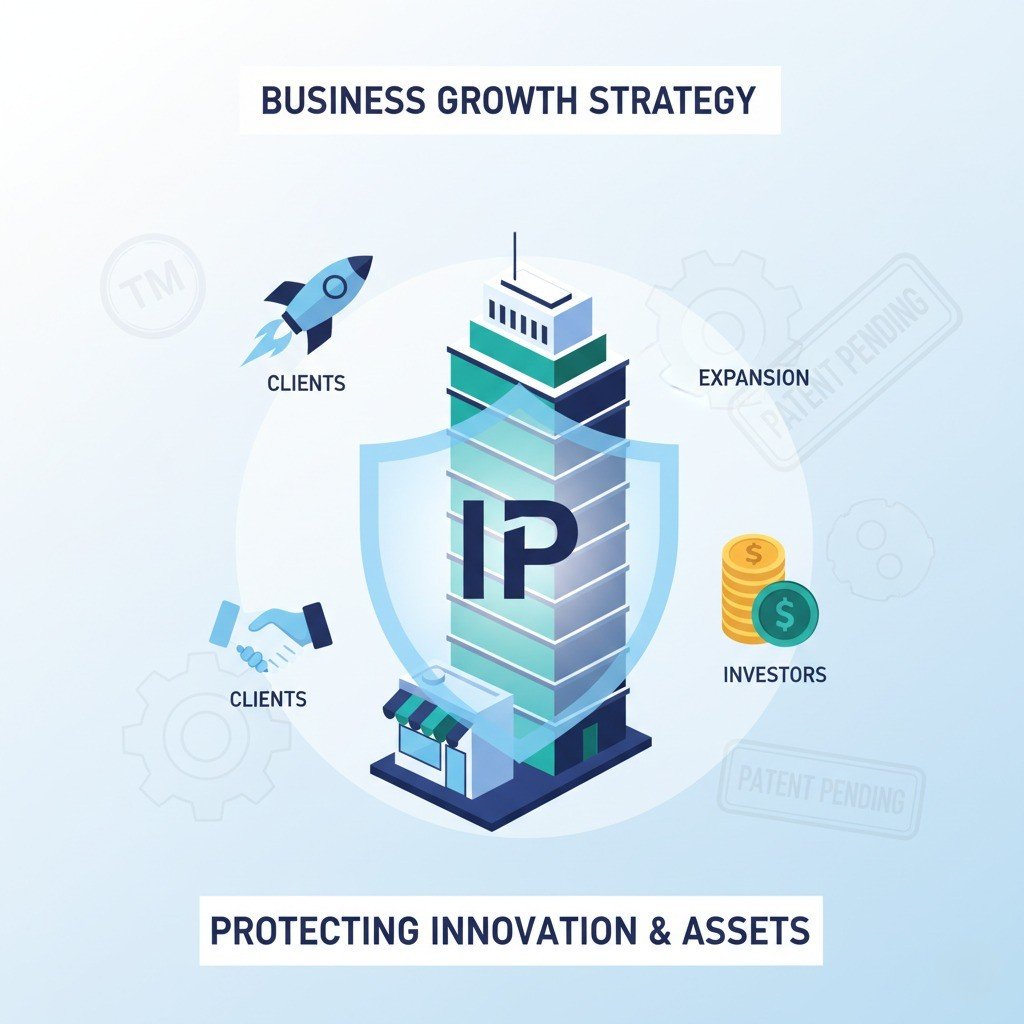
Discover how small and medium-sized enterprises (SMEs) can use intellectual property (IP) to attract clients, gain investor trust, and expand faster. Learn practical steps, examples, and strategies to protect and leverage your IP assets.
Introduction
In today’s rapidly evolving business environment, small and medium-sized enterprises (SMEs) face numerous challenges. From intense competition and market saturation to securing investment and scaling operations, running a successful SME is no small feat. While strategies such as effective marketing, networking, and continuous innovation are essential, there is one critical asset that many SMEs often overlook: Intellectual Property (IP).
IP is no longer reserved for tech giants or global corporations. It is a strategic tool that can help SMEs establish credibility, attract top clients, secure funding, and accelerate business growth.
This comprehensive guide explores why IP is essential for SMEs, how it can drive growth, and practical steps to leverage it effectively.
What is Intellectual Property (IP)?
Intellectual Property (IP) refers to creations of the mind that businesses can legally protect. It ensures that unique ideas, inventions, and creative works cannot be used or copied without authorization.
For SMEs, understanding IP is the first step toward using it strategically to grow the business. The main types of IP include:
-
Patents: Protect inventions, technical solutions, or innovative processes.
-
Trademarks: Protect brand names, logos, slogans, and any distinctive identifiers.
-
Copyrights: Protect original content such as software, marketing material, designs, and written works.
-
Trade Secrets: Protect confidential business information, processes, or formulas that give a competitive advantage.
Proper management of IP allows SMEs to stand out from competitors, create additional revenue streams, and secure a long-term competitive edge.
Why SMEs Should Care About IP
Despite its importance, many SMEs overlook IP due to misconceptions about costs, complexity, or relevance. The truth is that IP can provide significant strategic and financial advantages:
1️⃣ Attract Better Clients
Clients are more likely to trust and engage with businesses that demonstrate professionalism and uniqueness. Protecting your intellectual property sends a clear message: your business is innovative, credible, and serious about quality.
Example:
A small tech startup develops a unique software solution. By patenting their algorithm and trademarking their brand, they position themselves as a reliable and professional partner. Corporate clients are more likely to choose this SME over competitors without protection.
Benefits of attracting better clients:
-
Higher-value contracts
-
Long-term partnerships
-
Stronger brand reputation
2️⃣ Gain Investor Trust
Investors are often cautious about funding SMEs because of market uncertainties. However, a well-managed IP portfolio can significantly boost investor confidence.
Why IP attracts investors:
-
Demonstrates a unique value proposition
-
Provides legal protection against competitors
-
Indicates potential for higher returns and growth
Example:
A biotech SME with patented research and trademarked products can secure venture capital more easily than a competitor without IP. Investors view IP as an asset that reduces business risk and increases valuation.
3️⃣ Expand Faster
IP can accelerate business expansion by creating opportunities for licensing, franchising, and strategic partnerships. Instead of building new operations from scratch, SMEs can monetize their IP assets:
-
Licensing a patented product to other regions
-
Franchising a trademarked brand
-
Partnering with other businesses while retaining ownership of IP
Example:
A small fashion brand that trademarks its designs can license them internationally, generating new revenue streams without significant additional investment.
Key takeaway: IP turns your ideas into tangible, revenue-generating assets.
Common IP Challenges for SMEs
Many SMEs recognize the value of IP but struggle to implement it due to several challenges:
-
Lack of awareness: Not knowing which assets qualify for protection
-
Perceived high cost: Belief that filing patents or trademarks is prohibitively expensive
-
Complex legal processes: Difficulty navigating IP registration and enforcement
-
Internal compliance issues: Employees may inadvertently infringe on IP or leak trade secrets
Awareness and proactive planning can overcome these obstacles. A clear strategy ensures that SMEs maximize the value of their IP while minimizing risks.
Practical Steps to Leverage IP
To fully benefit from IP, SMEs should follow a structured approach. Here’s a step-by-step guide:
Step 1: Conduct an IP Audit
Identify all potentially protectable assets:
-
Products or inventions
-
Logos, brand names, or slogans
-
Original content and designs
-
Unique processes or formulas
Evaluate the commercial value of each asset to prioritize protection and strategic use.
Step 2: Protect Your IP
Once valuable assets are identified, SMEs should ensure proper legal protection:
-
Patents: File for inventions to secure exclusive rights
-
Trademarks: Register brand elements to prevent imitation
-
Copyrights: Protect creative works, software, or marketing materials
-
Trade Secrets: Implement confidentiality agreements and secure internal processes
Step 3: Integrate IP into Business Strategy
IP should not be treated as a separate legal task. It must align with business growth objectives:
-
Use IP to attract investors and strategic partners
-
Explore licensing or franchising opportunities
-
Develop marketing campaigns emphasizing IP-backed uniqueness
Tip: SMEs with a clear IP strategy often outperform competitors who view IP as secondary.
Step 4: Train Your Team
Employees play a crucial role in protecting IP:
-
Educate staff about IP rights and responsibilities
-
Encourage innovation while safeguarding proprietary information
-
Implement policies to prevent internal IP misuse
Example: A software SME trains developers to avoid infringing external IP and protect internal code, ensuring legal compliance and competitive advantage.
Step 5: Monitor and Enforce IP
Protecting IP is an ongoing process:
-
Monitor the market for potential infringements
-
Take swift legal action if competitors copy or misuse your IP
-
Regularly review and update your IP portfolio to reflect new innovations
Tip: Regular monitoring reduces legal risks and reinforces the value of your IP assets.
Real-Life Examples of SMEs Leveraging IP
-
Tech Startup:
A small software company patented a unique algorithm. This attracted top-tier clients and venture capital, allowing rapid growth. -
Fashion Brand:
A boutique fashion label trademarked its logo and designs, enabling international licensing deals and brand expansion. -
Food & Beverage Company:
A small F&B business protected its secret recipe as a trade secret, maintaining a unique market position and preventing competitors from copying it. -
Creative Agency:
A design agency copyrighted original campaigns and digital assets, securing long-term contracts with high-profile clients.
These examples show that IP is not just legal protection-it’s a strategic asset that can transform small businesses into market leaders.
SEO Keywords for SMEs
When writing or publishing IP-related content for SMEs, consider integrating keywords naturally to improve search visibility:
-
Intellectual Property for SMEs
-
IP protection for small businesses
-
How IP drives business growth
-
SME IP strategy
-
Benefits of patents and trademarks for SMEs
-
Licensing and franchising IP
Conclusion
Intellectual Property is more than legal paperwork-it is a strategic growth engine. SMEs that actively protect and leverage their IP can:
-
Attract higher-value clients
-
Gain investor trust
-
Expand faster and more efficiently
Ignoring IP can lead to missed opportunities, loss of competitive advantage, and reduced market value. On the other hand, integrating IP into your business strategy can unlock new revenue streams, secure partnerships, and ensure long-term success.
Key Takeaway: Treat your IP as a business asset. Protect it, leverage it, and watch your SME grow.
Are you an SME ready to maximize growth and secure your competitive edge? Download our free IP Growth Guide to learn how to identify, protect, and leverage your intellectual property for maximum business impact.
