
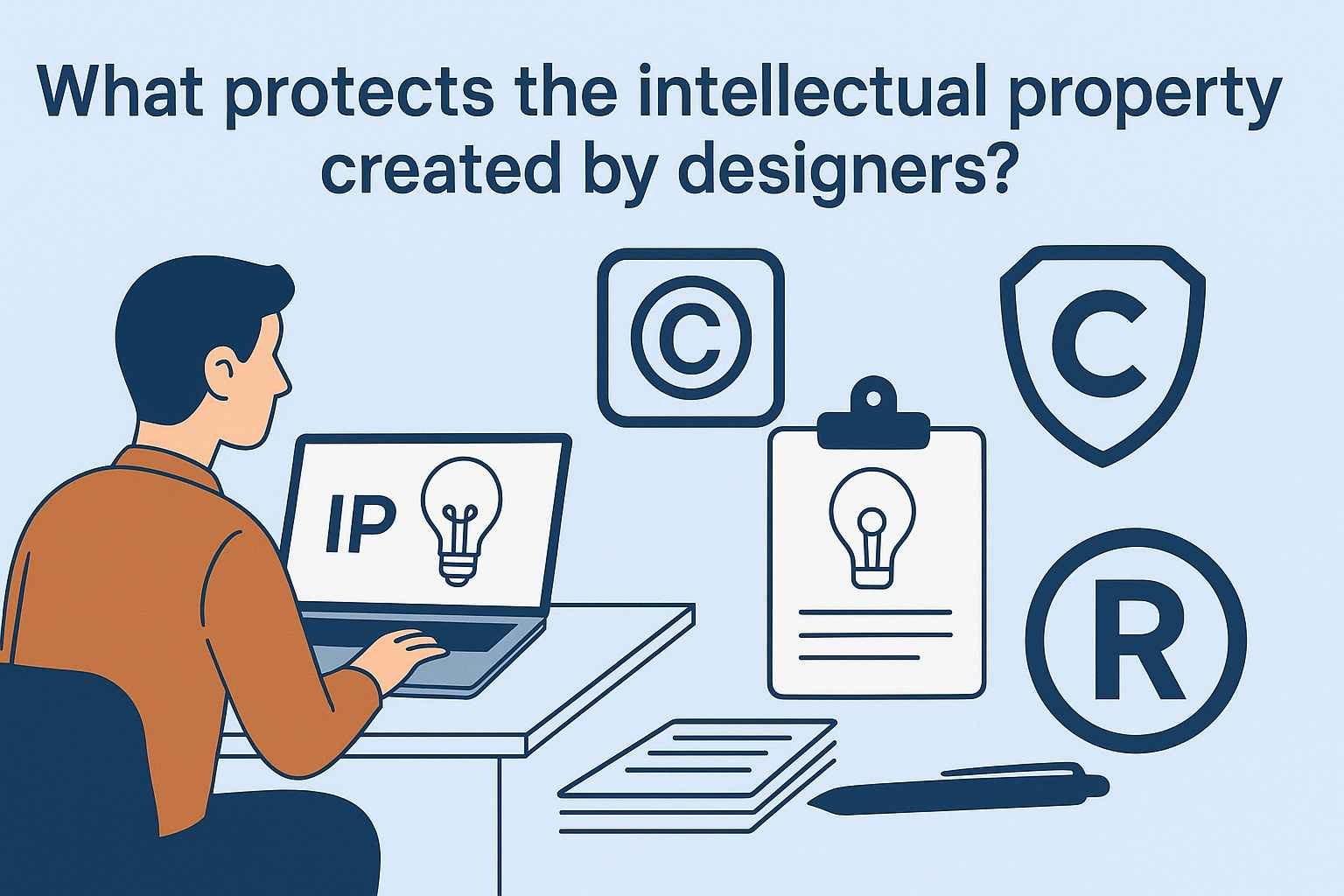
In the modern digital economy, designers are innovators who transform imagination into reality. From graphic art and fashion to product design and branding, creative professionals shape how industries and consumers engage with aesthetics, usability, and identity. Yet, the crucial question arises: what protects the intellectual property that designers create?
At Prip LLC, we understand that protecting creative works is as vital as creating them. Intellectual property (IP) laws allow designers to secure ownership of their ideas, prevent unauthorised use, and monetise their innovations. This comprehensive guide dives deep into what protects the intellectual property designers create, exploring laws, mechanisms, and strategies that every designer and business should know.
What Is Intellectual Property in Design?
Intellectual property refers to intangible creations of the human mind. In the design field, this includes:
- Graphic design assets such as logos, layouts, and digital illustrations
- Fashion designs and textile patterns
- Industrial designs like product shapes and packaging
- Digital interfaces, UX elements, and software-based design assets
- Architectural blueprints and structural designs
When we ask what protects the intellectual property designers create, we consider legal frameworks such as copyright, trademarks, patents, and design rights.
Why Protect Designers’ Intellectual Property?
- Safeguarding Creativity
Designs are valuable assets. Competitors can copy them freely without protection, leading to credit loss and financial harm.
- Ensuring Commercial Value
Protected designs allow creators and companies to monetise their work via licensing, royalties, and exclusive sales.
- Building Brand Identity
Designs often become brand symbols. Logos, packaging, and style guides help companies stand out and foster customer trust.
- Legal Enforcement
Through IP rights, designers can take legal action against infringers.
At Prip LLC, we guide designers through each step to ensure their intellectual property is recognised, registered, and defended.
What Protects the Intellectual Property Created by Designers? Key Legal Tools
1. Copyright Protection
Copyright automatically protects original creative works like artworks, logos, and digital illustrations. Designers benefit because:
- It grants exclusive rights to reproduce, distribute, and display the work.
- It prevents unauthorised copying or adaptation.
- In many jurisdictions, registration strengthens enforcement rights.
2. Trademark Protection
Trademarks safeguard brand identifiers such as logos, slogans, and design elements tied to brand identity. For designers:
- A logo design can be trademarked for exclusive business use.
- It ensures customers associate a unique design with a specific brand.
- It prevents competitors from using confusingly similar marks.
3. Design Rights (Industrial Design Protection)
This is crucial for product and fashion designers. Industrial design rights cover the visual appearance of products, including shapes, patterns, and ornamentation.
- They protect the unique look of items ranging from furniture to packaging.
- Registration provides stronger global enforcement.
4. Patents (For Functional Design)
Designers working on functional innovations—such as ergonomic chairs or unique product engineering—can apply for design or utility patents.
- Utility patents protect functional aspects.
- Design patents cover ornamental designs of functional objects.
5. Trade Secrets
Designers sometimes protect their work as trade secrets by keeping processes, formulas, or design techniques confidential.
The Role of Prip LLC in Protecting Designers’ Intellectual Property
At Prip LLC, we combine legal expertise with strategic business insight to provide designers with end-to-end solutions. Our services include:
- IP registration for copyright, trademarks, and designs
- Portfolio management to maintain renewals and monitor infringements
- Global IP protection through treaties like the Hague Agreement and Madrid Protocol
- Litigation support in cases of disputes or infringements
- Licensing and monetisation strategies to generate income from creative assets
What Happens If Designers Don’t Protect Their Intellectual Property?
- Unauthorised Copying: Competitors can replicate your designs freely.
- Loss of Revenue: Without ownership, monetisation opportunities disappear.
- Brand Confusion: Customers may be misled by counterfeit products or similar designs.
- Legal Vulnerability: Designers may lack grounds to sue infringers.
Knowing what protects the intellectual property designers create is vital for long-term career and business success.
Global Frameworks That Protect Designers’ IP
- Berne Convention: Provides automatic copyright protection in member countries.
- Paris Convention: Establishes rules for industrial design and trademark protection.
- TRIPS Agreement: Sets global minimum standards for IP protection.
- Hague System: Simplifies international registration of industrial designs.
- Madrid Protocol: Provides international trademark protection.
Pros & Cons of Protecting Intellectual Property for Designers
| Pros | Cons |
|---|---|
| Provides exclusive rights and legal protection | Registration can be costly for freelancers or small firms |
| Enhances brand recognition and trust | Global protection requires multiple filings |
| Creates revenue opportunities via licensing | Legal disputes may still arise despite protection |
| Encourages innovation by rewarding creators | Enforcement in some regions can be slow |
| Strengthens business partnerships and investor confidence | Requires ongoing monitoring and renewals |
Best Practices for Designers to Protect Intellectual Property
1. Document Your Work
Always save drafts, sketches, and digital files as evidence of authorship.
2. Register Early
Even though copyright is automatic, registration adds legal strength. Apply for trademarks and design rights early.
3. Use Contracts
When working with clients, include clear clauses about ownership and usage rights.
4. Monitor Constantly
Set up monitoring systems or use firms like Prip LLC to track potential infringements globally.
5. Leverage Licensing
Turn protected designs into income by licensing them to brands, publishers, or manufacturers.
How Different Design Fields Protect Their Intellectual Property
Graphic Designers
- Use copyright for original artworks.
- Trademark logos and brand identities.
Fashion Designers
- Register industrial designs for clothing and textile patterns.
- Protect logos and brand names under trademark laws.
Product Designers
- Apply for design patents for unique product shapes.
- Use trade secrets for proprietary processes.
Digital Designers (UI/UX)
- Copyright protects layouts, icons, and visual elements.
- Contracts define ownership in collaborative projects.
Architectural Designers
- Copyright safeguards original architectural works.
- Design rights may apply to building models and layouts.
The Future of Protecting Designers’ Intellectual Property
The landscape of intellectual property is evolving with new technologies:
- Artificial Intelligence: Raises questions about ownership of AI-generated designs.
- Blockchain: Blockchain is being explored as a tool for timestamping and verifying originality.
- Globalisation: Increases the importance of international treaties and filings.
- 3D Printing: Makes design replication easier, raising the need for stronger protection.
Prip LLC is developing strategies for designers to address these emerging challenges worldwide.
Why Choose Prip LLC for Designer IP Services?
- Industry-specific expertise in fashion, graphic, industrial, and digital design
- Global legal partnerships for international coverage
- Affordable packages suitable for freelancers and startups
- Proven record in litigation, registration, and enforcement
- Customised strategies for creative professionals
We protect designs and empower designers to thrive, monetise, and expand their creative legacy.
Frequently Asked Questions (FAQ)
1. What protects the intellectual property created by designers?
Designers’ intellectual property (IP) is primarily protected through copyrights, patents, trademarks, and design rights. Each offers a different type of legal safeguard depending on the work’s nature. For example, copyright protects artistic works, patents protect inventions, and trademarks protect brand identity.
2. Why is intellectual property protection important for designers?
IP protection ensures that designers maintain ownership of their creative work, prevent others from copying or misusing it, and gain financial benefits such as royalties, licensing, or direct sales. Without IP protection, designers may lose control over their creations.
3. Can a designer protect both the design and the brand name?
Yes. Designers can trademark the brand name or logo and secure copyright or design rights for their work’s visual or creative aspects. This layered approach ensures broader protection.
4. How long does copyright last for a designer’s work?
In most countries, copyright typically lasts for the designer’s lifetime plus 70 years. After that, the work enters the public domain.
5. What is the difference between copyright and design rights?
- Copyright protects original works of authorship like artwork, graphics, or digital illustrations.
- Design rights specifically preserve a product’s appearance, shape, or surface decoration.
6. Do freelancers and employees own the IP they create?
Generally:
- Freelancers usually retain ownership of their designs unless they sign an agreement transferring rights to the client.
- Employees often have their IP owned by the employer if created during employment.
7. How can designers enforce their intellectual property rights?
Designers can enforce their rights through:
- Sending cease-and-desist letters
- Filing lawsuits for infringement
- Seeking financial compensation or injunctions to stop unauthorised use
8. Does registering intellectual property cost money?
Yes, government filing fees are associated with registering patents, trademarks, and designs. The cost varies depending on the type of protection and the country. Many businesses, including Prip LLC, guide designers through the process to make it affordable and effective.
9. Can intellectual property be sold or licensed?
Absolutely. Designers can license their work for royalties or sell their rights entirely. This can be a lucrative business model for those creating logos, digital assets, or product designs.
10. What role does Prip LLC play in intellectual property protection?
Prip LLC specialises in IP services for designers and businesses, helping them register, protect, and enforce their intellectual property rights globally. Prip LLC ensures designers’ creations are legally secure, from patents to trademarks and copyright filings.
