
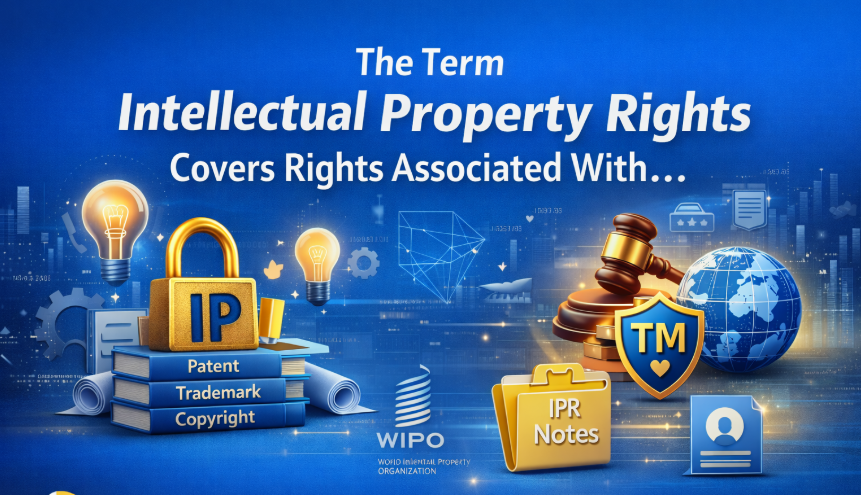
In today’s innovation-driven global economy, understanding what intellectual property truly includes is essential for creators, businesses, researchers, startups, and enterprises. The term intellectual property rights covers rights associated with creations of the mind, including inventions, artistic works, designs, symbols, brand identities, proprietary systems, and confidential business knowledge. These rights transform ideas into legally protected assets that can be owned, controlled, licensed, and commercialized.
At Prip LLC, we help innovators and organizations identify, secure, and manage their intellectual property portfolios with strategic precision. Intellectual property is no longer just a legal concept—it is a core business asset class that drives valuation, growth, and competitive advantage.
This comprehensive guide explains the full scope of what intellectual property rights cover, their categories, importance, business value, legal structure, global protection systems, practical applications, and strategic advantages.
What the Term Intellectual Property Rights Covers Rights Associated With
Intellectual Property Rights (IPR) are legal protections granted to individuals and organizations for original creations and innovations. These rights provide exclusive ownership and control over how intellectual assets are used.
The term intellectual property rights covers rights associated with:
-
Technological inventions and innovations
-
Scientific discoveries and industrial processes
-
Creative and artistic works
-
Brand names, logos, and identity elements
-
Product designs and visual appearance
-
Software and digital technologies
-
Trade secrets and confidential data
-
Business methods and proprietary systems
These protections ensure creators receive recognition, economic rewards, and legal authority over their work.
Core Categories of Intellectual Property Rights
1. Patent Rights — Protection for Inventions
Patents protect new and useful inventions that offer technical solutions to problems.
Covered under patent protection:
-
Machines and devices
-
Engineering systems
-
Manufacturing methods
-
Chemical formulas
-
Medical technologies
-
Technical software processes
Patent owners gain exclusive rights to manufacture, use, and commercialize their inventions.
2. Trademark Rights — Protection for Brand Identity
Trademarks safeguard distinctive brand elements that identify products and services.
Examples include:
-
Business names
-
Product names
-
Logos
-
Symbols
-
Taglines
-
Packaging identity
Strong trademarks build brand recognition and market trust.
3. Copyright — Protection for Creative Works
Copyright protects original creative expressions.
Covered works include:
-
Books and publications
-
Research papers
-
Music and audio
-
Films and videos
-
Photography
-
Paintings and artwork
-
Website content
-
Marketing materials
-
Software code
Creators control reproduction, distribution, and adaptation rights.
4. Industrial Design Rights — Protection for Product Appearance
Industrial designs protect the visual and aesthetic aspects of products.
Protected features:
-
Product shape
-
Surface patterns
-
Color combinations
-
Decorative elements
-
Packaging design
Design rights prevent visual imitation in competitive markets.
5. Trade Secrets — Protection for Confidential Business Knowledge
Trade secrets secure sensitive commercial information that provides competitive value.
Examples:
-
Proprietary formulas
-
Manufacturing techniques
-
Algorithms
-
Business strategies
-
Customer databases
-
Supply chain systems
Unlike patents, trade secrets rely on confidentiality rather than registration.
Need of Intellectual Property Rights in Modern Business
The need of intellectual property rights has grown significantly as economies shift toward innovation and knowledge-based industries.
Encourages Innovation
Legal protection motivates creators to invest time and resources into new ideas.
Prevents Unauthorized Use
IPR stops competitors from copying or exploiting protected work.
Transforms Ideas into Assets
Intellectual property becomes tradable, licensable, and monetizable.
Builds Competitive Advantage
Exclusive rights strengthen market positioning.
Enhances Business Valuation
Strong IP portfolios attract investors and buyers.
Supports Economic Growth
Nations benefit from innovation ecosystems fueled by IP protection.
At Prip LLC, we treat IPR as a strategic growth tool that supports sustainable business expansion.
Advantages of Intellectual Property Rights
Understanding the advantages of intellectual property rights helps organizations leverage IP strategically.
Legal Ownership
Clear ownership of creations and innovations.
Market Exclusivity
Temporary monopoly over protected assets.
Revenue Generation
Licensing and royalties create passive income streams.
Brand Strength
Trademarks build credibility and consumer loyalty.
Investor Attraction
IP portfolios signal innovation strength.
Global Expansion Support
IP protection simplifies international operations.
Technology Commercialization
Patents enable partnerships and tech transfer.
Risk Reduction
Legal frameworks reduce infringement risks.
Business Assets Covered Under Intellectual Property Rights
Technology & Innovation
-
Product engineering
-
Technical processes
-
Software systems
-
AI models
Creative Industries
-
Publishing
-
Film production
-
Advertising
-
Digital media
Brand & Marketing
-
Corporate identity
-
Product branding
-
Visual assets
Industrial & Manufacturing
-
Product designs
-
Mechanical systems
-
Fabrication processes
Digital Economy
-
Apps and platforms
-
E-commerce systems
-
Digital tools
Intellectual Property Rights PDF Notes — Structured Learning Resources
Many learners and professionals search for intellectual property rights pdf notes to understand legal frameworks efficiently.
Well-structured IPR notes typically include:
-
Definitions and legal foundations
-
Types of intellectual property
-
Registration processes
-
Ownership rules
-
Duration of protection
-
International treaties
-
Case law examples
-
Commercialization models
At Prip LLC, we provide structured documentation and guidance that simplifies complex IP frameworks for clients and teams.
World Intellectual Property Rights Day — Global Recognition
World Intellectual Property Day is observed every year on April 26 to promote awareness about the role of intellectual property in encouraging innovation and creativity worldwide.
The day highlights:
-
Importance of protecting ideas
-
Contributions of inventors and creators
-
Economic value of IP systems
-
Innovation-driven development
Organizations worldwide use this day to promote IP education and celebrate creators.
Legal Framework Behind Intellectual Property Rights
National IP Laws
Each country enforces its own IP legislation.
International Agreements
Global treaties harmonize IP protection across borders.
Registration Authorities
Government bodies examine and grant IP rights.
Enforcement Systems
Courts and regulatory agencies protect rights holders.
IPR Registration Lifecycle
Step 1 — Identification
Audit intellectual assets requiring protection.
Step 2 — Ownership Establishment
Verify legal creators and assignees.
Step 3 — Documentation
Prepare technical descriptions and legal forms.
Step 4 — Filing Applications
Submit to appropriate IP authorities.
Step 5 — Examination
Authorities review originality and eligibility.
Step 6 — Grant of Rights
Certificates issued upon approval.
Step 7 — Maintenance
Renewals and monitoring ensure long-term protection.
Commercialization of Intellectual Property
Licensing Agreements
Third parties pay to use protected assets.
Franchising Models
Brand expansion through licensed operators.
Technology Transfer
Sale or sharing of patented innovations.
Joint Ventures
Collaborative commercialization partnerships.
Royalty Monetization
Recurring revenue from IP usage.
IPR Enforcement and Protection
Monitoring Systems
Detect infringement early.
Legal Notices
Cease-and-desist actions prevent misuse.
Litigation
Courts award damages and injunctions.
Border Control
Customs prevent counterfeit imports.
Pros & Cons of Intellectual Property Rights
| Pros | Cons |
|---|---|
| Legal ownership of creations | Registration costs |
| Exclusive market rights | Lengthy approval timelines |
| Licensing and royalty income | Legal complexity |
| Strong brand protection | Renewal and maintenance fees |
| Higher business valuation | Enforcement expenses |
| Competitive advantage | Requires detailed documentation |
| Encourages research & innovation | International filings can be costly |
| Investor confidence | Potential legal disputes |
How Prip LLC Helps Protect Intellectual Property
Prip LLC provides end-to-end intellectual property services for innovators and enterprises.
Our Expertise
-
Patent drafting and filing
-
Trademark registration
-
Copyright protection
-
Industrial design filings
-
Trade secret advisory
-
IP audits and portfolio management
-
Global IP strategy
-
Enforcement and dispute support
Why Businesses Trust Prip LLC
-
Strategic IP planning
-
Accurate legal documentation
-
Confidential handling
-
Industry-focused expertise
-
Long-term asset management
Industries That Rely on Intellectual Property Rights
Technology & Software
AI systems, platforms, and applications.
Healthcare & Pharma
Medical inventions and research.
Manufacturing
Industrial processes and designs.
Creative & Media
Artistic and digital productions.
Retail & E-commerce
Brand identity and product differentiation.
Strategic IPR Portfolio Management
-
IP asset tracking
-
Renewal planning
-
Risk analysis
-
Competitive intelligence
-
Licensing strategy
-
Legal compliance audits
Professional portfolio management maximizes IP value.
Frequently Asked Questions (FAQs)
1. What does the term intellectual property rights covers rights associated with?
It covers legal rights related to inventions, creative works, designs, brands, and confidential business knowledge.
2. Why are intellectual property rights important?
They protect innovation, prevent misuse, and create business value.
3. What are the main types of intellectual property rights?
Patents, trademarks, copyrights, industrial designs, and trade secrets.
4. What is the need of intellectual property rights for startups?
They secure ideas, attract investors, and prevent copying.
5. What are the advantages of intellectual property rights for businesses?
Ownership, exclusivity, revenue generation, brand strength, and valuation growth.
6. Where can I find intellectual property rights pdf notes?
Educational institutions, legal resources, and professional IP advisory firms provide structured materials.
7. What is World Intellectual Property Rights Day?
An international observance promoting IP awareness held on April 26.
8. How long does IP protection last?
Duration varies by type and jurisdiction.
9. Can intellectual property be sold or licensed?
Yes, IP assets can be monetized through licensing and transfers.
10. Why choose Prip LLC for IP services?
Prip LLC offers strategic, legal, and commercial IP solutions tailored to business goals.
